


News From the Festival
Announcing the Cast of King Lear
This season’s King Lear at the Utah Shakespeare Festival will feature a number of Festival veterans and audience favorites, but will also showcase some amazing actors who bring a wealth of experience to the Festival stages. “I am excited to see the Festival’s veteran actors bring the full power of their talent and experience to one of Shakespeare’s most towering and challenging works,” said director Vincent J. Cardinal. “There is nothing like seeing a professional company who have worked together for many seasons play a masterpiece.”
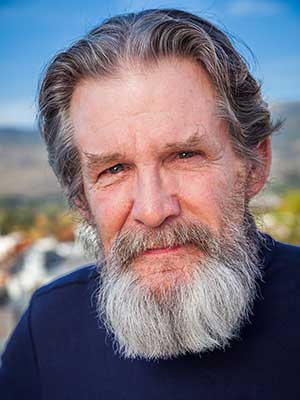
Anthony Heald, who is playing the powerful role of King Lear, is new to the Festival this year. But he will be recognized by many from his roles as Hannibal Lecter’s jailer, Dr. Frederick Chilton in the movie The Silence of the Lambs and for playing assistant principal Scott Guber in the popular television series Boston Public. He has twice been nominated for a Tony Award: as Best Actor in a Featured Role–Musical for a revival of Anything Goes in 1988 and as Best Actor in a Featured Role–Play for Love! Valour! Compassion! in 1995.
He has also appeared off-Broadway in A Midsummer Night’s Dream; Lips Together, Teeth Apart; and The Foreigner. Other Broadway credits include The Elephant Man, and film credits include The Pelican Brief. He has also had a long career in regional theatre at such venues as the Oregon Shakespeare Festival and the California Shakespeare Theater. Heald is a member of Actors’ Equity Association.
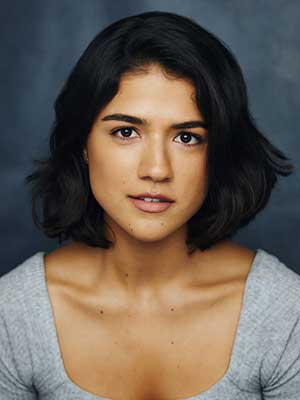
Kendall Cafaro, who is also making her Festival debut this summer, is playing Lear’s loving daughter, Cordelia, in addition to Helen, the spurned but determined lover in All’s Well That Ends Well. She has previously acted in New York City in The Ugly Kids at The Wild Project; The Recruiting Officer at The Center at West Park; and Into the Woods, Much Ado about Nothing, and Cymbeline at Hudson Valley Shakespeare Festival. Regional theatre work includes Shrew! at Sun Valley Shakespeare Festival; La Traviata at Metropolitan Opera; and The Winter’s Tale and The Owl Answers/Sun at Fordham University.
Additionally, she is in a film version of As You Like It which currently in post-production. She received her BA in theatre performance from Fordham University and is an Equity Membership Candidate.
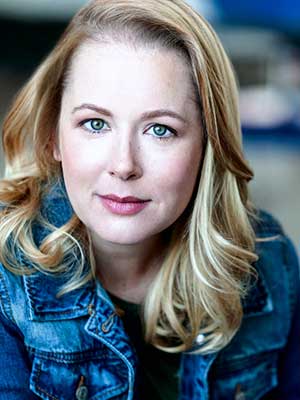
Stephanie Lambourn is returning to the Festival to take on the roles of Regan in King Lear, as well as Beggar Woman in Sweeney Todd and Rinalda in All’s Well That Ends Well. In prior seasons at the Festival, she has played Margaret in Henry VI (Parts One, Two, and Three), Mistress Paige in The Merry Wives of Windsor, Miss Watson/Sally Phelps in Big River, and Lady Macduff in Macbeth. She was in the first national tour of Broadway/SF’s A Christmas Carol and has appeared in such theatres as Arkansas Repertory Theatre, Aurora Fox, Great River Shakespeare Festival, Milwaukee Repertory Theatre, and various theatres in the United Kingdom and Australia.
“It’s an honor to be returning to the Festival for a third season,” she said in discussing the season. “I’m thrilled to be playing such diverse and colorful characters and collaborating with such an extraordinary group of artists. This will be my second time in a production of King Lear, and I’m excited to be tackling the intriguing character of Regan.”
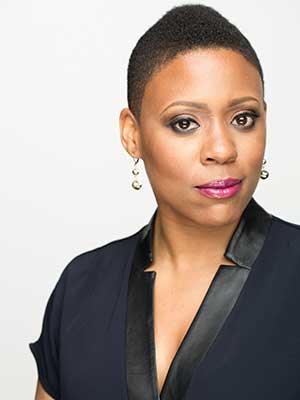
Lisa Strum will be playing Lear’s third daughter, Goneril, in King Lear, as well as Mother Abbess in The Sound of Music. New to the Festival, she has appeared off-Broadway atLincoln Center, Public Theatre, and The Acting Company. She has also acted at numerous theatres across the country and on television in such shows as Law & Order: SVU, New Amsterdam, The Blacklist, and Citizen Baines; and she has directed extensively. She is a member of Actors’ Equity Association and SAG-AFTRA
“I am overjoyed to be joining the Utah Shakespeare Festival season!” she said. “Playing Goneril in King Lear has been on my bucket list for years. I am beside myself that I get to live in the skin of this incredibly complex character.”
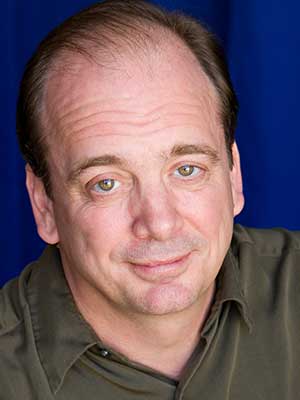
Chris Mixon is another popular actor returning to the Festival this year. He will be playing Gloucester in King Lear and Bill O’Wray in Trouble in Mind. In past Festival seasons, he has appeared in Pericles, Ragtime, Richard III, Big River, The Foreigner, The Book of Will, Mary Poppins, The Cocoanuts, ‘Art’ and many others. He was in the national tour of How to Succeed in Business without Really Trying and has also appeared off-Broadway at The Pearl Theatre, The Mint, Riverside Shakespeare, and the Manhattan Theatre, as well as at numerous regional theatres.
“Playing Gloucester in King Lear is a bucket-list role for me and I feel very lucky to play him,” said Mixon, who is a member of Actors’ Equity Association. “I feel Gloucester is a complex and flawed father. . . . But in his heart he is a very good and deeply caring person. It takes courage to live your convictions, but even more courage to admit you were wrong.”
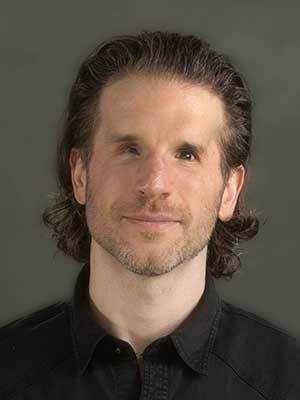
Aidan O’Reilly is returning for his second year at the Festival to play the Fool in King Lear and Caliban in The Tempest. In the 2021 season, he played Cerimon in Pericles, Richard in Richard III, and Angelo in The Comedy of Errors. Other theatres he has worked at include Prague Shakespeare Company, Marin Shakespeare Company, American Shakespeare Center, City Lights Theatre Company, Renegade Players, Avalon Players, Sonoma Valley Shakespeare Company, Arkansas Repertory Theatre, and Studio Theatre of Little Rock. A graduate with honors from the Royal Academy of Dramatic Art, he is a member of Actors’ Equity Association.
“Shakespeare’s plays have meant a great deal to me ever since I was a little kid (my favorites were all the stories that had ghosts and assassins and lovers and sword fighting in them—they still are), and I am grateful for the opportunity to be a part of the team here at the Festival and to help bring these plays alive this summer,” said O’Reilly. “There is an enormous amount of compassion, humor, and wisdom in King Lear; and those are things the world always needs. And, yes, there’s some good sword fighting in it too.”
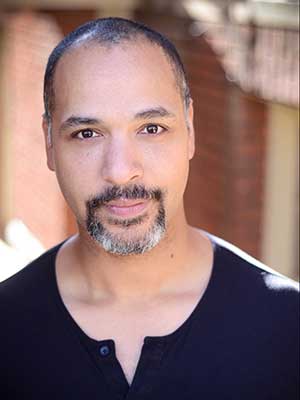
René Thornton Jr. is also a beloved actor at the Festival and is returning this year to play Kent in King Lear and Alonso in The Tempest. In five previous seasons he has acted in a various roles, including Henry Condell in The Book of Will, Buckingham in Richard III, and Orsino in Twelfth Night. He has worked at numerous theatres and completed Shakespeare’s entire canon in 2017, having performed professionally in all the plays in Shakespeare’s Folio. He is a member of Actors’ Equity Association.
“Cedar City has become home away from home in the last few years, and I’m grateful to always feel welcome there,” said Thornton in talking about this summer. “King Lear is quite simply one of Shakespeare’s best plays, and the passion and power struggles that drive it are thrilling to behold. Families are complicated and few as complicated as Lear’s. It’s an honor to be able to bring Kent, with his loyalty and love, to life in what I’m sure will be a fantastic production.”
Other members of the cast include:
- John Bixler as Albany
- Phillip Brown as Messenger and Knight
- Nicholas Denhalter as Curan and Knight
- Tim Fullerton as Cornwall
- Maurice-Aimé Green as Oswald
- Nathan Haltiwanger as Servant and Knight
- Steven Jensen as Knight
- Luke Sidney Johnson as King of France and Captain
- Freedom Martin as Edgar
- Philip Orazio as Edmund
- Mark Saunders as Attendant, Messenger, and Knight
- Jeremy Thompson as Burgundy and Herald
- Rob Tucker as Doctor, Old Man and Knight
- Braedon Young as Messenger and Knight
- Brandon Zicker as Messenger, Attendant, and Knight
More Casting News
Bios and Photos As They Become Available
All’s Well That Ends Well Casting Story
Announcing the Cast of Sweeney Todd
“I have waited (and lobbied) for over a decade to collaborate on a production of Sweeney Todd with Brian Vaughn,” said director Brad Carroll when casting was finalized for this wickedly funny Stephen Sondheim musical. “I am beyond thrilled that it’s finally becoming a reality this season.”
Vaughn will be in the title role of Sweeney this summer at the Utah Shakespeare Festival, but he will have lots of company onstage with a number of extraordinarily talented actors: “The musical and vocal requirements of Sweeney Todd being as complex and demanding as they are, the Festival has assembled a cast of truly remarkable voices,” added Carroll. “They guarantee to give Mr. Sondheim’s score the epic, soaring, powerful sound it so richly deserves. Very exciting!”
The cast will include the following:
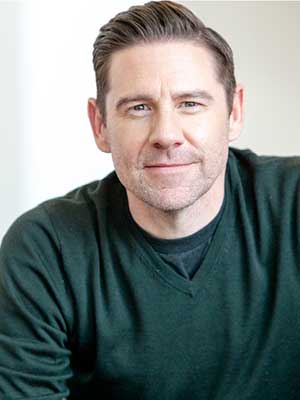
Brian Vaughn has been the artistic director at the Festival since 2011, but he has been an actor for twenty years longer than that. This season he adds one more role as Sweeney in Sweeney Todd. His past roles at the Festival have included such notables as Hamlet, Henry V, Iago, Benedick, Petruchio, Leontes, Cyrano de Bergerac, Poet in An Iliad, Harold Hill in The Music Man, Javert in Les Misérables, Baker in Into the Woods, Sky Masterson in Guys and Dolls, Arthur in Camelot, Pirate King in The Pirates of Penzance, Charlie in Stones in His Pockets, Richard Hannay in The 39 Steps, and both Oscar and Felix in The Odd Couple. In addition, he has directed numerous plays at the Festival. He has also appeared at such theatres as Milwaukee Repertory Theatre, Arizona Theatre Company, Chicago Shakespeare Theatre, Denver Center Theatre Company, Northlight Theatre, PCPA, and South Coast Repertory Theatre.
A graduate of Southern Utah University, he has been a guest artist/director at Brigham Young University, Southern Utah University, University of California–Irvine, Nevada Conservatory Theatre–UNLV, Utah State University, University of Michigan, and Western Michigan University. He is a member of Actors’ Equity Association.
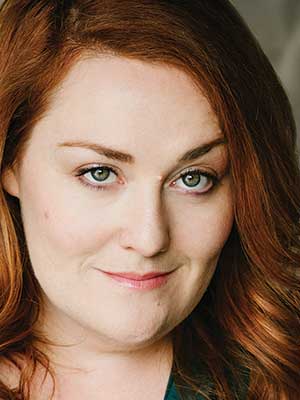
Bree Murphy is returning to the Festival after an absence of several years—to play Mrs. Lovett in Sweeney Todd and Mrs. Peacock in Clue. Most recently at the Festival she appeared as Miss Andrew and Mrs. Corry in Mary Poppins and Queen Isabel and Mistress Quickly in Henry V in 2016. She has also been in such Festival productions as South Pacific, The Taming of the Shrew, Henry IV Part Two, Measure for Measure, Henry IV Part One, and Into the Woods. A member of Actors’ Equity Association, she has appeared in the national tour of Les Misérables and in many other theatres, including Musical Theatre West, 3D Theatricals, PCPA, Swine Palace, New Swan Shakespeare, Kentucky Shakespeare, and Okoboji Summer Theatre.
“Playing Nellie Lovett has been a dream since first falling in love with Stephen Sondheim’s works as a conservatory student at PCPA in 1997,” she said. “To be collaborating with both a director [Carroll] and musical director [Jeremy Mann] who have been part of my professional journey since that time is surreal and thrilling.”
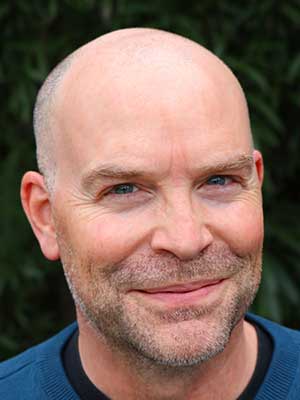
Tim Fullerton last appeared at the Festival in 1996 in Macbeth, The Three Musketeers, and The Mikado. This season he will be playing the dastardly Judge Turpin in Sweeney Todd, as well as Cornwall in King Lear and Herr Zeller in The Sound of Music.
He has appeared in numerous other plays in other theatres, including Henry IV Part One, Les Blanc, As You Like It, and Cymbeline at Oregon Shakespeare Festival; The Book of Will and The Bridges of Madison County at Texas Shakespeare Festival; Translations at Rep Stage; The Winter’s Tale at Shakespeare Santa Cruz; Mamma Mia, The (Curious Case of the) Watson Intelligence, Newsies, Julius Caesar, The Pirates of Penzance, Stand-Up-Tragedy, Man of La Mancha, The Secret Garden, Joseph and the Amazing Technicolor Dreamcoat, and Death of a Salesman at Pacific Conservatory Theatre; Jesus Christ Superstar at Santa Barbara CLO; and Three Musketeers the Musical, andVictor/Victoria at American Musical Theatre.
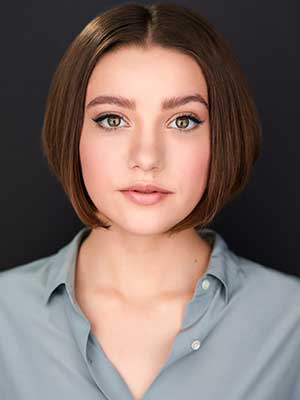
Lucy Austin is making her debut appearance at the Festival this season, playing Johanna in Sweeney Todd, Ursula in The Sound of Music and Featured Performer in The Greenshow. She has appeared in Into the Woods, Much Ado about Nothing, Cymbeline, and The General from America at Hudson Valley Shakespeare Festival, as well as in Cabaret, Macbeth, Good Kids, Little Women, Cagebirds, and Carousel at The Boston Conservatory. She also acted in the film Little Women. She received her B.F.A. from The Boston Conservatory.
“It feels like a gift to be a part of Sweeney Todd, one of Stephen Sondheim’s masterpieces, at this time when our community is grappling with his passing and celebrating the singular intricacy and compassion he brought to theatre,” said Austin. “I am thrilled to explore how Johanna will come to life in this production, and lean into her curiosity and boldness as she fumbles through challenges and ways through.”
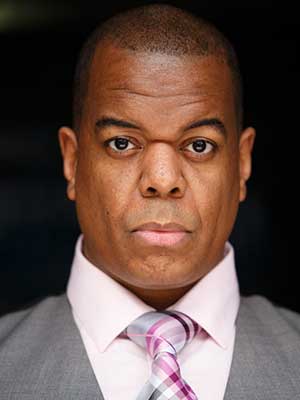
Rob Tucker is also making his first appearance at the Festival. He is playing Judge Turpin’s cruel sidekick, The Beadle, in Sweeney Todd as well as Lefeu and Duke of Florence in All’s Well That Ends Well and various roles in King Lear. A member of Actors’ Equity Association, he has acted at such notable theatres as Shakespeare in Clark Park, Theatre Horizon, Actors Theatre of Louisville, Milwaukee Rep, Arden Theatre, EgoPo, Prince Music Theater, and Opera Philadelphia.
“I’ve always joked that if I could live my entire artistic life in the worlds of Stephen Sondheim and William Shakespeare I’d be happy,” he said. “I’m thrilled to be doing just that at a place I’ve wanted to work at since I was in college! How lucky can you get?”
The Sweeney Todd cast is large and will include many actors who have appeared at the Festival in the past. All these actors play other roles in the repertory season. They are:
Phillip Brown as Ensemble
Michael Doherty as Jonas Fogg
Shannon Galligan-Stierle as Ensemble
Aaron Galligan-Stierle as Pirelli
Sophia Guerrero as Ensemble
Nathan Haltiwanger as Anthony Hope
Luke Sidney Johnson as Ensemble
Stephanie Lambourn as Beggar Woman
Samantha Paredes as Ensemble
Ilyssa Rubin as Ensemble
Mark Saunders as Ensemble
André Spathelf-Sanders as Ensemble
Taylor Tveten as Ensemble
Ethan Van Slyke as Tobias Ragg
Buy TicketsMore Casting News
Bios and Photos As They Become Available
All’s Well That Ends Well Casting Story
Announcing the Cast of All's Well That Ends Well
The Utah Shakespeare Festival has announced the cast members for this summer’s All’s Well That Ends Well by William Shakespeare, including some actors Festival audiences will be familiar with, as well as a number of new-to-the-Festival actors. “I want our audience to see themselves represented on the stage in this production of All Well That Ends Well,” said director Melinda Pfundstein. “I am thrilled to have a beautiful gathering of artists to that end.”
The cast is as follows:
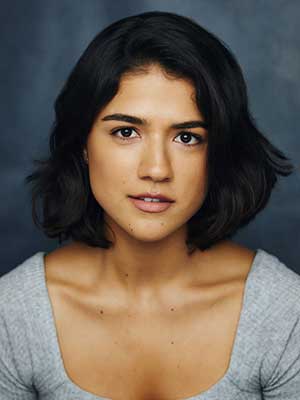
Kendall Cafaro is making her Festival debut, appearing as Helen, the spurned but determined lover in All’s Well That Ends Well, in addition to Cordelia in King Lear. She has appeared off-Broadway in The Ugly Kids and The Recruiting Officer, as well as at numerous regional and university theatres: Hudson Valley Shakespeare Festival, Sun Valley Shakespeare Festival, Metropolitan Opera, and Fordham University to name a few.
“Each time I look at the role of Helen, I’m met with questions that I find challenging to grapple with on my own,” she said in speaking about the play. “This is why I am excited to explore this character and the ideas of this play with the team at the Festival.”

Michael Doherty is returning to the Festival in the role of as Lavatch, the clown in All’s Well That Ends Well. He will also appear as Jonas Fogg in Sweeney Todd and Mr. Green in Clue. In past seasons at the Festival he has played Dromio of Syracuse in The Comedy of Errors and The Joneses in The Comedy of Terrors (2021); the solo performer in Every Brilliant Thing (2019); Charlie Baker in The Foreigner and Tom Sawyer in Big River (2018); and more. He has appeared at many other theatres, including Berkeley Repertory Theatre, Milwaukee Repertory Theatre, and the Denver Center. A member of Actors’ Equity Association, he is also the showrunner for Mythic Thunderlute: A D&D Podcast Musical.
“Scholars have criticized Lavatch as one of Shakespeare’s ‘most lascivious and expendable fools’ (which, to be fair, has also been said of me),” laughed Doherty. “I love the challenge that comes with serving this language up to be understood by a modern ear, and I’m so looking forward to exploring this complicated and fascinating play.”

Kevin Kantor is new to the Festival and will be appearing as Paroles in All’s Well That Ends Well and Trinculo in The Tempest. They have appeared in Macbeth (Actors Theatre of Louisville); Things I Know To Be True, The Legend of Georgia McBride, and A Christmas Carol (Milwaukee Repertory Theatre); Othello, Twelfth Night, and Sense & Sensibility (Island Shakespeare Festival); Lovers & Executioners, The Sword in the Stone, and The Legend of Georgia McBride (B Street Theatre); and in ABC Television’s American Crime. A member of Actors’ Equity Association, Kantor has also written a full-length poetry collection, Please Come Off-Book, published by Button Poetry.
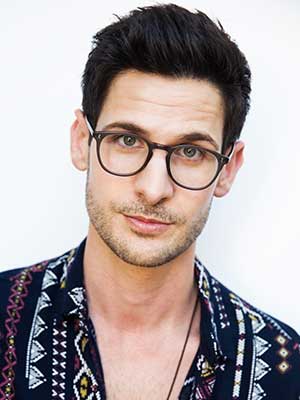
Philip Orazio is also new to the Festival, appearing this summer as Bertram, the sometimes dastardly lover, in All’s Well That Ends Well, in addition to Edmund in King Lear. Other theatres he has worked at include Artist Repertory Theatre, The Road Theatre, Arkansas Shakespeare Theatre, Texas Shakespeare Festival, Nomadic Theater, and Queer Classics Theater. On television, he has acted in Minx (HBO), Gasit (STARZ), Leverage (TNT), Combat Report (Netflix), My Human Experience (Amazon), My Crazy Ex (Lifetime), and Three Days to Live (Oxygen). In addition, he has taught at the Actors Studio of Orange County and has received an MFA in acting from the University of Houston.
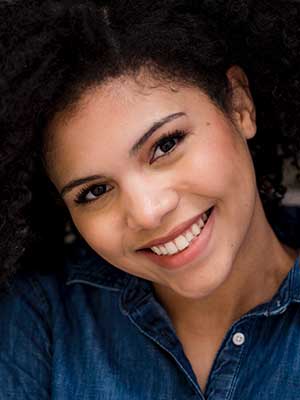
Amara Webb returns the the Festival after appearing as Sister in The Pirates of Penzance and Ensemble in Ragtime in 2021. In All’s Well That Ends Well, she will perform the role of as Diana; and in The Tempest, Miranda. She has played numerous roles at other theatres, including Henriette in The Learned Ladies and Sarah Chandler in The Living, both at Sargent Conservatory at Webster University.
Other members of the cast are:
Whitney Black as Soldier, French Lady, and Ensemble
Anatasha Blakely as E. Dumaine and Ensemble
Yvette Monique Clark as Countess and Ensemble
Maurice-Aimé Green as Soldier, Attendant, French Lord, and Ensemble
Anthony Heald as King of France, Citizen, and Ensemble
Stephanie Lambourn as Renalda, Soldier, Citizen, and Ensemble
Sophia Metcalf as Citizen, Musician, and Ensemble
André Spathelf-Sanders as French Lord, Soldier, and Ensemble
Arizsia Staton as Widow, Citizen, and Ensemble
Elise Thayn as Mariana, Citizen, and Ensemble
Jeremy Thompson as G. Dumaine and Ensemble
Rob Tucker as Lafew and Duke
Braedon Young as French Lord, Soldier, and Ensemble
The 2022 season of the Utah Shakespeare Festival runs from June 20 to October 8 and includes All’s Well That Ends Well, Sweeney Todd. King Lear, The Sound of Music, Trouble in Mind, Clue, The Tempest, and Thurgood, as well as all the experiences surrounding the plays, such as The Greenshow, seminars, orientations, and backstage tours. Tickets and information are available by calling 800-PLAYTIX or going online to bard.org.
Buy TicketsMore Casting News
Bios and Photos As They Become Available
Things You May Not Know about The Sound of Music
By Liz Armstrong
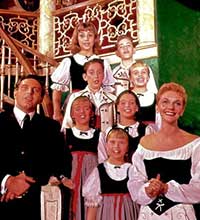
Based on the memoir of Maria Augusta Trapp, published in 1949, The Sound of Music has become one of the world’s most beloved musicals. The New York World-Telegram and Sun even wrote that it is “the loveliest musical imaginable.” Yet, even as widely-known as this musical is, there is much you may not know. For instance:
1 - The original 1959 Broadway production—which starred Mary Martin and Theodore Bikel—won five Tony Awards (including Best Musical) out of nine nominations.
2 - Among the other Tony Award nominations was Best Featured Actress, in which the entire children’s cast was entered as a single nominee. This is especially interesting, noting that two of the children in the Broadway musical were boys.
3 - The Broadway production closed in 1963 after a startling 1,443 performances. The Broadway cast album sold over three million copies.
4 - This is the last musical playwright Oscar Hammerstein wrote, dying a short nine months after it opened on Broadway.
5 - As the original Broadway musical was experiencing wild success, the first London production opened in 1961. Later, it was adapted into a film starring Julie Andrews and Christopher Plummer. This film won five Academy Awards, including Best Picture.
6 - Plummer hated the 1965 movie so much he called it “The Sound of Mucus.” Later, he admitted he was often drunk during filming.
7 - The original title of the play was Love Song. Yes, we agree: The Sound of Music has a better ring to it.
8 - In the 1981 London revival of the musical, actress Petula Clark took on the role of Maria von Trapp at age 49. Many believed her to be “too old” to play the role convincingly, but when Maria von Trapp herself attended the premiere, she believed Clark to be the best Maria to ever be cast.
9 - In 2013, Carrie Underwood starred as Maria in the NBC television series, and Audrey Hepburn was originally considered to star in the 1965 film.
10 - Ironically, the musical has seen roaring success everywhere but Austria. One theory may be that Austrians don’t like how their culture is displayed in the musical. Others believe that they don’t want to relive the painful history of the Nazi occupation.
Tickets are now on sale for the Festival’s 2022 season which runs from June 20 to October 8. In addition, to The Sound of Music, the season will feature All’s Well That Ends Well, Sweeney Todd, King Lear, Trouble in Mind, Clue, The Tempest, and Thurgood. Tickets can be purchased at bard.org or by calling the ticket office at 800-PLAYTIX.
Meet Rodgers and Hammerstein
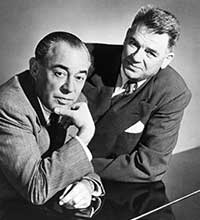
By Lisa Larson
As the opening notes of the Utah Shakespeare Festival’s production of The Sound of Music swell to fill the theatre, audiences will be swept away to the mountains of Austria and the final golden days of the 1930s. But it is not only the poignant story of the Von Trapp family that makes this production so beloved. Rather, it is the masterful minds of two duos—four men—that each had a hand in turning this remarkable piece of history into a story that lives in hearts and minds from generation to generation.
In essence, the hills—and theatres around the world—are alive with the sound of their music.
Richard Rodgers, Oscar Hammerstein II, Howard Lindsay, and Russel Crouse each played a part in bringing the story of Maria and the Von Trapp children to life. Yet, as remarkable as The Sound of Music is, it is only one of many contributions each of these men shared with the world.
Richard Rodgers
Born in Arvene, New York in 1902, Richard Rodgers came into a home that valued music and exposed Rodgers to theatre from a young age. The son of a physician father and amateur musician mother, Rodgers started plucking at the piano at age four, (https://www.pbs.org/ wnet/ broadway/ stars/ richard-rodgers/). By age six he was playing piano by ear. At ten he wrote his first song, “My Auto Show Girl.”
Rodgers continued cutting his musical teeth on compositions for amateur boys’ club shows. According to NotableBiographies.com, Rodgers felt his early exposure to operettas by Victor Herbert and others were extremely influential. He also said that musicals by Jerome Kern left a “deep and lasting” impression.
During his time at Columbia University, he began the first of two long-term professional partnerships, first with Lorenz Hart. Rodgers and Hart’s work on the 1919 Fly with Me proved to be their introduction to the world as a musical duo (https://www.britannica.com/ biography/ Richard-Rodgers). The partnership lasted twenty years until Hart could no longer work.
“What actually brought about (the end of Hart and Rodgers’ partnership) was Larry’s disintegration,” Rodgers said in an interview with American Musical Theater WCBS in 1961 (https://www.youtube.com/ watch?v=YVa6W2QOW64). “Larry started to fall apart at a much too early age.” Seeing the inevitable decline of his friend and writing partner, Rodgers knew he needed to make a change in order to continue in his career. His mind turned to the well-known American lyricist Oscar Hammerstein II.
Oscar Hammerstein II
The grandson of well-known opera impresario Oscar Hammerstein, Oscar Hammerstein II—known as “Okie” to friends—was born in New York City in 1895. Hammerstein came by his love of theatre naturally, almost biologically, as his father was a successful vaudeville actor, his grandfather an opera star, and his uncle Arthur the producer of Broadway musicals. However, his father pushed him to study law at Columbia University, which he did for a time. But soon, his passion for theatre won out (https://www.biography.com/ musician/ oscar-hammerstein-ii).
Hammerstein found a place for his passion among the Varsity Theater shows at Columbia University, including the 1915 review On Your Way. Later, he worked for his Uncle Arthur as an assistant stage manager but was quickly promoted to production manager for all of Arthur’s shows. Among Hammerstein’s notable successes, it was his work with Jerome Kern on the 1925 musical Showboat that firmly established his reputation as a writer and lyricist to be reckoned with (https://www.pbs.org/wnet/ broadway/ stars/ oscar-hammerstein-ii/).
However, even with all the accomplishments in his early career Hammerstein is purported to be very aware of the times when his efforts didn’t set sail as majestically as Showboat did. “One of the tough things has been to endure failure. And I’ve endured a lot of it,” Hammerstein said (https://www.biography.com/ musician/ oscar-hammerstein-ii).
Many might look at the lengthy list of accomplishments, awards, and accolades and wonder at Hammerstein’s definition of “failure.” But his career—while peppered generously with monumental successes, also included his fair share of setbacks. For example, in 1919 he wrote his own play called The Light, produced by his Uncle Arthur, but it never really grew legs enough to move it along, according to Biography.com. Despite that setback, Hammerstein soldiered on; forging ahead in his writing to collaborate with Rodgers and Hart on the 1920 Fly with Me.
Hammerstein’s influence through the years was felt by many, including another well-known lyricist, Stephen Sondheim (Sweeney Todd, West Side Story). According to the PBS.org article, Sondheim was a friend of the Hammerstein family and credited much of his success to Hammerstein’s influence.
Rodgers and Hammerstein: Even Better Together
When the time came to seek out a new partnership, both Rodgers and Hammerstein were ready to work together. Even if they had no idea the success they would become.
According to an interview with Rodgers on WCBS in 1961 (https://www.youtube.com/ watch?v=YVa6W2QOW64), it was Rodgers who approached Hammerstein about working together on Oklahoma. “Oscar and I had met physically, when we were very small children because my father was a doctor and he was the obstetrician who delivered Oscar’s first two children,” Rodgers said in the WCBS interview. “Oscar even married a second or third cousin of mine. I always knew Oscar when he was a young man in college and I was a young man in high school.”
When Larry Hart was no longer able to work, Rodgers approached Hammerstein. “He said, I accept your proposal of marriage,” Rodgers said, with a laugh.
In another interview (https://www.youtube.com/ watch?v=k4ypJhDS19I), Rodgers affirmed his dedication to the decision despite Hammerstein’s several professional setbacks. “I had tremendous faith in Oscar,” Rodgers said. “I knew beyond argument about his enormous talent. . . . this was the logical direction for me to go in.”
And he was right.
In the course of their seventeen years together, Rodgers and Hammerstein’s partnership yielded such beloved classics as Oklahoma (1944), Carousel (1945), South Pacific (1949), The King and I (1951), Pipe Dream (1955), Flower Drum Song (1958), and, of course, The Sound of Music (1959). Clearly the impact Rodgers and Hammerstein had on the world of musical theatre cannot be overstated.
Hammerstein’s task with Rodgers was to “combine bright tunes with relatively sophisticated stories—a blend then-unfamiliar to the stage, but later widely adopted.” (https://www.britannica.com/ biography/ Oscar-Hammerstein-II). So it’s not just the unforgettable music this duo composed, but the impact their style had on the development and direction of musical theatre forever after.
Howard Lindsay and Russel Crouse
As for the second duo behind the masterful The Sound of Music, Howard Lindsay and Russel Crouse is a story of a twenty-eight-year partnership in writing, producing, and theatre management that included producing greats such as The Sound of Music, as well as Anything Goes with Cole Porter, Call Me Madam with Irving Berlin, and more.
Crouse, whose father was a newspaperman, worked as a reporter for the Cincinnati Commercial Tribune at age seventeen. Later he worked for the Kansas City Star as a sports reporter, traveling extensively for his work (https://www.masterworksbroadway.com/artist/howard-lindsay-and-russel-crouse/).
Crouse made his Broadway debut as an actor in 1928. Then in 1931 he started writing for the stage, collaborating with Oscar Hammerstein on The Gang’s All Here.
Meanwhile, Lindsay graduated from Boston Latin School in 1907 and spent a year at Harvard before the war. He acted in shows like Sweet Nell of Old Drury and began to establish his directing credentials. His first play was Tommy in 1927, which was produced on Broadway for 232 performances. The show was later made into a movie in 1932 called She’s My Weakness, according to Masterworks Broadway.
Both Lindsay and Crouse continued to work in theatre independent of the other before crossing paths to re-write a script called Bon Voyage. The story, originally told about a cruise ship that wrecks off an island paradise, was in need of a new look after a real-life shipwreck made it difficult to move forward with the rehearsals. At the hands of Lindsay and Crouse it became the now famous, Anything Goes, according to the MasterworksBroadway.com article.
As a duo, their fame and fortune solidified after their involvement with a dramatization of stories from Clarence Day Jr. in 1939 known as Life with Father. According to MasterworksBroadway.com, the show still holds the record for the longest running non-musical play on Broadway with 3,224 performances.
Lindsay and Crouse owned and operated a theatre—the Hudson on 44th Street—for several years. Their initial production in the theatre, Arsenic and Old Lace in 1941 was a smashing success, putting their theatre on the map (https://www.masterworksbroadway.com/artist/howard-lindsay-and-russel-crouse/).
It wasn’t all hits and successes though. But once again, perseverance paid off. After coming off of a disappointing turnout for the adaptation of Howard Nemerov’s The Homecoming Game turned into Tall Story for Broadway, Lindsay and Crouse hit the mark with the book for The Sound of Music starring Mary Martin, Theodore Bikel, and Patricia Neway. The show ran for 1,443 performances between 1959 and 1963 and later became the amazingly popular movie in 1965 starring Julie Andrews.
Shortly after the premiere of the film version of their crowning success, Crouse died of pneumonia at age seventy-three, ending the longest running collaboration of any writers in theatrical history — more than twenty-eight years, according to Masterworks Broadway.
The film version of The Sound of Music reigned for five years as the highest grossing film in history, nominated for ten Academy Awards and winning five (https://www.britannica.com/topic/The-Sound-of-Music-film-by-Wise).
Such an epic success does not come without a multitude of stories behind the scenes, each person with their own mountains to climb and favorite things to share, all so that audiences can make The Sound of Music part of their musical experience.
Q&A with the Director of The Sound of Music
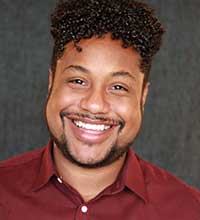
Keenon Hooks has an eclectic history at the Utah Shakespeare Festival. Last season he was the choreographer for the acclaimed musical Ragtime. In 2011 he appeared as a Traveling Salesmand and a River City Townsperson in The Music Man and Scum and a Featured Performer in The Greenshow. In 2022 he is returning as the director of the beloved musical The Sound of Music. He has also worked at a number of regional theatres including PCPA–Pacific Conservatory Theatre, Las Vegas Nevada Conservatory Theatre, Oregon Cabaret Theatre, Utah Festival Opera and Musical Theatre, and many more. He is the co-founder and dance director of Studio Collective Performing Arts. The Festival recently conducted this question-and-answer interview via email.
Utah Shakespeare Festival: What is the value of doing a musical today that was written over sixty years ago and has been performed hundreds of times all around the world?
Keenon Hooks: We can learn a great deal from shows written in a time other than our own, especially when they have historical value. The Sound of Music is a beloved story many know and love and have a great time with the music involved in the show. But it also takes place during a dark time, and even today we see the repercussions of war and how it affects normal lives just like the members of this beloved family.
The Festival: Many of the people who will see this play have seen it before, either as a stage musical or as a movie. What will this production offer them that may be different?
Hooks: Here at the Festival, we can expect the same story that many know and love, but our story will be told in a way that gives the story a modern take, all while honoring the original aspects of this story.
The Festival: Casting has not yet been completed, but we understand you are casting African American women as Maria and the Mother Superior. What is your goal with this casting, and how will it change or enhance the story?
Hooks: My goal is to make this European-based story more relatable to American audiences. Seeing this journey through the eyes of an African American woman, we can make this story feel more prevalent to ourselves instead of thinking of it as a distant European memory of the past. Joining Maria with an African American Mother Superior, we can find comfort for Maria having a person of color with strength in the show to lean on in her times of sorrow. And having someone of her own background to lean on will show an even stronger bond and drive our story in a beautiful way that we can all enjoy.
The Festival: As playgoers, what should we watch for in this production that may help us enjoy it and/or understand it more?
Hooks: Definitely how Maria’s journey affects everyone around her. We find in this time everyone seems to be living in dark or dull times. But Maria brings light, love, and laughter to all those she comes in contact with. From the nuns, to the Von Trappe Family, it’s a beautiful arc to watch everyone come to life around her.
The Festival: You have worked at the Utah Shakespeare Festival before as an actor and choreographer. What keeps you coming back the Festival?
Hooks: I love it here at the Festival. It’s truly an artistic hub that allows us artists to truly create unique art. As a director, it gives me a voice to tell this story in a way I’d like to in new ways, breaking away from the traditional mold. Some theatres stay stuck in the past, and don’t allow themselves to grow as time passes. But the Festival continues to grow in both the works it presents, as well as the teams and acting artists it brings in to tell these stories. And I’ll always be happy to return!
The Festival: Besides theatre business, what is the one thing you plan on doing this summer in Cedar City?
Hooks: Definitely hiking! Utah is one of the most beautiful states I’ve traveled to. And there are still plenty of hikes I’ve yet to experience. The main one being Zion. You’d think after several seasons I’d have made it over there by now, but I’ve been so focused on the shows I have yet to find the time. So this season, I plan to enjoy my downtime more and make my way there.
Fact or Fiction? The Real Story of the Von Trapps
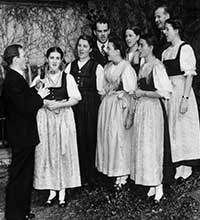
By Liz Armstrong
Yes, The Sound of Music is a greatly beloved play and movie because of its inspiring story—but how much of it is true? Based on the von Trapp family, the musical is neither entirely fact or fiction, but instead lying somewhere in the middle. In fact, one of the most common critiques of the play is how “historically inaccurate” it is, so it may be wise to come with a heart ready to be swept away by the story of warmth and love rather than a mind ready for a history lesson.
The play is based the actual Maria Augusta Trapp’s 1949 memoir, The Story of the Trapp Family Singers, which chronicles the family’s beginnings in Salzburg, Austria, through its escape from Nazi-occupied Europe, to the family’s eventual relocation to America.
So, then, what is the real story of the von Trapp family? Let’s find out.
The Children
Starting at the very beginning, Maria didn’t come to the family to be a governess to all of the children, but was hired in 1926 to tutor just one child who was recovering from scarlet fever at the time. In actuality, almost all of their names and sexes of the children were changed for the play. One of the biggest changes was that the oldest child, Rupert, became sixteen-year old Liesl. When the family fled Austria, Rupert was already in his late-twenties and a practicing physician.
The Geography
The von Trapps didn’t really escape the Nazis by crossing over the mountains into Switzerland. If they would’ve fled over the Austrian mountains, they would have ended up right in Germany. “Don’t they know geography in Hollywood?” the real-life Maria exclaimed when she witnessed the scene.
In real life, their escape wasn’t so dramatic. They simply took the train to Italy! Good thing too, as the Nazis closed the border the next day. The daughter Maria noted in an interview with Opera News that the family was honest that they were going to America to sing and that they “left in broad daylight, pretending nothing.”
The Singing
In the musical, Maria teaches the children to sing and the captain to love. However, it wasn’t her that taught the children music after all. Before Maria came along, the captain and his first wife encouraged singing in the home.
Opposed to the stern captain depicted in the play, Georg was actually said to be very warm and loving even if he was “a little overwhelmed.” After Maria arrived, a priest named Father Franz Wasner heard the children sing and believed they had great potential. During the production of the show, Maria was perplexed that Father Wasner wasn’t being included, but producers told her that either Maria or Father Wasner could be in the play, but not both.
A lack of funds also encouraged the family to consider singing as a profession. The von Trapp family wasn’t as wealthy as the play portrayed. In fact, most of the family servants had been dismissed at the time they began singing as a family.
Daughter Eleonore told The Washington Post that because of this, it was hard for Captain von Trapp to see his family on stage. “It almost hurt [my father] to have his family on stage, not from a snobbish view, but more from a protective one,” she said.
The Love Story
For a play displaying such immense love, it may be disappointing to find out that in real life, Maria did not love Captain von Trapp. In her memoir, she wrote that when she married him, she loved the children but just “liked” him. However, she later said that she loved him more than anyone that came before or after him.
In addition to her hesitation to marry Georg, the timeline of their love story doesn’t quite add up. In reality, they were married ten years before they fled Austria, not immediately before like the musical suggests.
So there it is– the real story of the von Trapps! Although there are some major differences, The Sound of Music is still inspiring. In fact, knowing the von Trapp family was indeed a real-life, talented family makes our hearts swell.
For more information on this play and to purchase tickets, visit bard.org/plays.
Festival Offers Discounts to "Locals"
By Liz Armstrong
Calling all locals! The folks at the Utah Shakespeare Festival can’t thank its loyal patrons enough—but they would like to try. With its “local” patrons in mind, the Festival has created a series of discounts for those who live in southern Utah and Lincoln County, Nevada.
“The Festival is so fortunate to have so much support from our friends in Cedar City and the surrounding areas,” said Donn Jersey, director of development and communications. “Acknowledging this through local discount options is our way of saying thank you to everyone in the area that loves the Festival. The groundwork for the success of each of our seasons starts with our wonderful local community.”
If you want to see world-class theatre this summer at a reduced price, try out these options:
Local Discount
Tickets to plays Monday through Thursday may be purchased for 50 percent off. However, these deeply-discounted tickets may be purchased on the day of the performance only. This discount is available for residents located in Iron, Beaver, Washington, Kane, Garfield, and Piute counties in Utah and Lincoln County, Nevada. Proof of residency is required.
Iron County Pass
Purchase an Iron County Pass for $200 any time, then redeem it for eight tickets to any plays throughout the season. That can be eight tickets to one play, one ticket each to eight different plays, or any other combination. This discount is available to Iron County residents only. Proof of residency and an ID is required when you purchase the pass, and the offer is limited to two passes per resident. The pass expires October 8, 2022.
Student Access Pass
The Student Access Pass is available for any elementary through university student (including home-schooled students) for $40. Students may buy the pass at any time then use it on the day of a play only to receive one ticket per performance for an unlimited number of performances throughout the season. Student Access Passes are limited to one per student and expire on October 8, 2022. A student ID is required.
All discounts are subject to availability and do not include seats in premier and center orchestra sections. These discounts are not available online.
Tickets and passes may be purchased by calling 800-PLAYTIX or visiting the Festival ticket office after June 19. For more information, including ticket office hours and ticket prices, go to bard.org/tickets.
Celebrating Shakespeare: The Bard's Birthday Bash
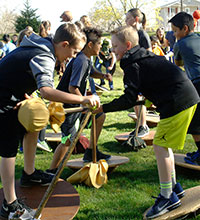
On April 23, 1564 (as near as we can tell), William Shakespeare was born to a respectable middle-class family in Stratford-upon-Avon, England. On April 20 and 21 of this year, the Utah Shakespeare Festival is throwing a birthday party!
Over 450 years after his death, Shakespeare (aka the Bard of Avon) is the most produced and celebrated playwright in the world, so what better way to celebrate than the twenty-first annual Bard’s Birth Bash on the grounds of the Festival and Southern Utah University?
The two days will be full of a variety of activities, including dancing the maypole, jousting contests, performing Shakespeare onstage, and eating cake with Queen Elizabeth.
“It’s a beautiful way to launch into spring, with kids singing and dancing out on the grass, talking about Shakespeare, and eating cake,” Education Director Michael Bahr said. “It’s a way to celebrate Shakespeare and theatrical performance, and to get a taste of theatre, dance, and youthful energy and optimism.”
After two years of the celebration being virtual because of the pandemic, Bahr is excited to return to the event in person. He is expecting that around 1,200 students will get to enjoy the birthday celebration.
The event is targeted toward local elementary school students, but all community members are welcome. Homeschooled students are encouraged to attend as well. All participants should register by emailing usfeducation@bard.org with the name of the school, the teachers, contact information, and the number of students.
It is strongly encouraged that students come prepared to perform Shakespeare scenes for their fellow students. “We would be happy to come to your class to help you,” Bahr said. Or you may email usfeducation@bard.org for further information and instructions.
Festival to Present Its First Outdoor Musical
By Liz Armstrong
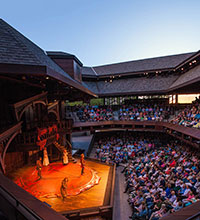
The Utah Shakespeare Festival production of the musical Sweeney Todd in the outdoor Engelstad Shakespeare Theatre this summer will be a new experience for the Festival and will lay the groundwork for the theatre’s future. This will be the first time the Festival has produced a musical in an outdoor theatre, but it won’t be the last.
To accomplish this task the Festival is in the middle of a massive upgrading of the sound system in the theatre, a project that will allow the musical voices and accompaniment to be heard by everyone in the audience. In addition, these changes will help with acoustics in the theatre for all plays.
Production Manager Richard Girtain is excited. “We’re going to use this space in the future for musicals,” he said. “Of course, we will continue to focus on classical repertoire in the Engelstad Theatre, but this is not a one-and-done for musicals there.”
The Englestad Theatre, modeled after open-air Elizabethan theatres of Shakespeare’s time, wasn’t built with a sound system to support a musical like Sweeney Todd. The design of the theatre relies almost entirely on the projection of the actors’ voices as the “sound system. “The space wasn’t designed to do this kind of work,” Girtain said. “So we are adding the infrastructure for that.”
Girtain explained that there are actually two parts to this project. First, especially for the upcoming season, the goal is to implement a system to support musicals. “Supporting a musical requires a different sound system to support the voice,” Girtain explained. “We didn’t have microphones, speakers, and a mixing area like we have in the Randall L. Jones Theatre for musicals.
However, there is a second, equally important, part to this project that patrons may appreciate even more: The long-term goal is to also reinforce the spoken word in all plays, not just musicals. “When we reinforce the sound of the spoken word, we want it to be a natural, subtle improvement,” Girtain said. “It will help the audience to understand the words better, but hopefully they won’t know the sound system is even there.”
Girtain explained that when focusing on reinforcing voice, it’s important to think about the placement of speakers. “Audience members don’t want the voice to come from behind them, but from the stage, from where the actors are singing and speaking, so we are adding equipment to do that,” he said.
The discussion surrounding this project began over two years ago, but the first sound study was conducted last June. Girtain explained that an acoustical consultant, Acoustic Distinctions, visited the theatre to help get the project rolling. “They measured the space, the road noise, etc. and created a plan for us to mitigate it,” Girtain said. “In an indoor theater, you can control ambient noise, and you have more surfaces to bounce sound off, so you can control the sound better. In a theatre with no roof, and basically no walls, there’s lots of ambient noise coming in, and that’s the biggest challenge. We don’t have control of the sound outside the theatre.”
But the implementation of this sound system hasn’t been an easy process. With supply chain issues, contractors trying to catch up on projects they couldn’t complete during the pandemic, and the increased cost of supplies since 2020, Girtain and the Festival electrics department led by Scott Palfreyman and Danielle Davis have had their hands full.
“Getting everything here in a timely manner has been one of the biggest challenges, especially with the deadline of a show opening,” Girtain said.” Yet, despite a few bumps in the road, the sound system will be ready to go for Sweeney Todd, and it will provide an even better sound experience for patrons.
“This change is going to make the enjoyment of all of our productions better because the voice is going to be easier to understand,” said Girtain. “Whatever seat you’re in, you’re going to be able to understand the text better.”
Enjoying a musical outside will be a completely different experience than attending one in an indoor theatre, and Girtain is excited to see how the patrons react. “We are good storytellers here at the Festival, and this will help us more clearly articulate those stories,” he concluded.